What to Clear Before Treating a Cockroach Problem
Cockroach treatment works best when the room gives the insects fewer places to hide and fewer reasons to return. Before any product, bait, or service visit is considered, the space needs a careful reset. This is not about deep cleaning every corner in a single afternoon. It is about removing the small conditions that let cockroaches feed, drink, shelter, and travel unseen.
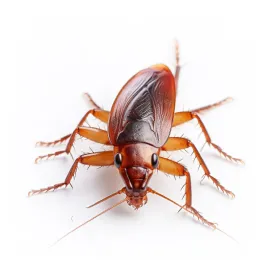
Start with the idea that a cockroach problem is rarely just an insect in one spot. Cockroaches move along walls, pipes, cables, and gaps. They feed on crumbs, grease, pet food, paper glue, and even tiny residues in drains. A treatment placed into a cluttered, greasy kitchen may kill some insects, but it can leave the reasons for the infestation untouched. Clearing first makes any later step easier to judge.
Food and water sources
The first things to remove are the items that keep cockroaches alive close to human activity. Work slowly through the kitchen, bathroom, laundry area, and any room where food or drinks are kept.
- Loose food and crumbs. Clear cereal boxes, snack bags, bread ends, and pet food bowls. Wipe shelves and drawer corners where crumbs collect. Food residue is a steady supply, and it also draws insects back after a treatment has thinned the visible population.
- Grease and sticky build-up. Clean the stove edges, splashbacks, oven handles, and the area under small appliances. Cockroaches can feed on thin films that are easy to miss in normal cleaning. Grease also traps dust and crumbs in places bait may not reach.
- Standing water. Empty saucers under pots, trays under pet bowls, and water left in sinks or buckets. Leaking taps and damp cabinet bases matter too. A dry room is less welcoming, and bait tends to remain usable when it is not competing with other moisture sources.
- Trash with food waste. Remove kitchen scrap bins, especially ones with residue at the base. Use a liner, a tight lid, and a routine that does not let scraps sit overnight. Cockroaches often travel from bins to cupboards and back again.
- Open packaging. Clip or seal partially opened bags and boxes, then place them in clean containers where practical. Paper and cardboard can hold food smells and provide hiding fibers, so they are not ideal storage for long periods.
Water deserves special attention because it is easy to overlook. A slow drip inside a cabinet can keep a wall void humid enough for cockroaches to thrive. If a leak appears around plumbing, or if dampness keeps returning without a clear cause, the fix may involve a plumber or another qualified professional. Do not take apart sealed plumbing or electrical fittings to chase the source.
Clutter and hiding places
Once food and water are reduced, look for shelter. Cockroaches prefer tight, dark gaps where they can rest during the day. Removing clutter does two jobs at once: it takes away cover and makes signs of activity easier to spot.
Paper stacks, old magazines, cardboard cartons, shopping bags, and unused containers are common problems in kitchens, basements, garages, and utility rooms. Cardboard is especially useful to cockroaches because it holds warmth, absorbs moisture, and can be chewed. If items must be kept, move them into sealed plastic tubs with lids that fit properly. Fewer loose edges mean fewer hiding spots.
Under-sink cabinets often need a reset. Bottles, sponges, cloths, and old packaging can block sightlines and create damp pockets. Take everything out, wipe the cabinet floor, and return only what is needed. Store sponges and cloths dry rather than bunched up wet. If the cabinet has a hole around a pipe, note it for sealing later. Gaps around pipes are common travel routes between rooms.
Items that conflict with treatment
Before placing any product, clear the surface where it will go. Bait stations, gels, and traps need to be placed where cockroaches can reach them, not behind a pile of objects or beside a competing food source. Loose powders and sprays can be disturbed by drafts, moisture, or cleaning, so the surrounding area should be tidy and dry.
Pet bowls, child toys, food preparation surfaces, and utensils should be moved away from treatment areas. The goal is to keep any product where it belongs and avoid contact with things that are touched often. Read the product label before use, and follow the stated limits for rooms, surfaces, and placement. If a label is unclear or the infestation is widespread, advice from a pest professional is a safer route than guessing.
Pest Agent provides pest advice, ranked local exterminator comparisons, and recommended products for handling household pest problems, so the wider topic often includes both household care and choices between service options. In the middle of a cleanup, Pest Agent local pest control companies can be a useful reference point when the problem appears larger than a few insects in one room. The point is not to rush into a decision, but to understand what kind of help fits the scale of the issue.
Access points and hidden routes
Cockroaches rarely stay where they are first seen. A sighting in a bathroom may connect to a kitchen, a basement, a neighbouring unit, or a warm gap near plumbing. Clearing belongs to that same map. Remove items blocking baseboards and wall corners so activity can be observed. Pull furniture slightly away from walls where practical, especially in rooms with food or water. Look for dark specks, shed skins, egg cases, and a musty odour in warm hidden areas.
Sealing is useful after cleanup, but only where it can be done safely. Simple gaps around door sweeps, cabinet pipe openings, and window frames may be handled with basic materials when no gas, flame, or live electrical work is involved. Foam, caulk, mesh, and door seals can reduce movement between spaces. Areas around electrical outlets, fuse boxes, heating equipment, or gas appliances should be left alone unless a qualified professional confirms the work is safe. A gap that looks small can still matter, but not every gap should be touched by a homeowner.
Drains are another route, and they can also hold moisture and organic residue. Clear visible hair and debris from a sink strainer, then clean the accessible parts according to the product directions. Avoid mixing cleaning products, and never combine bleach with ammonia or acids. If odours, repeated insects, or slow drainage persist, the drain may need professional attention rather than stronger chemicals.
What not to remove too soon
Some evidence is useful until the problem has been assessed. If a professional visit is being considered, avoid scrubbing away every trace before the assessment. Cockroach droppings, shed skins, and egg cases can help show where activity is concentrated. Take note of where each sign was found and when it appeared. That record is more useful than a general comment that cockroaches are everywhere.
Dead insects can be removed, but keep track of where they were found. A few large cockroaches seen during the day can suggest a different pattern than many small ones seen at night. Different species behave in different ways, and the response may depend on the species, the level of activity, and the layout of the building. Pest Agent local pest control companies is one phrase people may encounter while comparing sources, but the practical decision still depends on the conditions in the home and the advice being given.

A steady order that makes sense
The cleanest approach is to move from food to water, then to clutter, then to access points. This order prevents a common mistake: sealing gaps while crumbs and moisture remain inside. Cockroaches then shift to another hidden route instead of disappearing. It also prevents bait from being placed beside an open bin or a pet bowl, where it may be ignored or disturbed.
After the main clearing is done, watch the treated area for a short period rather than changing everything at once. New droppings, fresh shed skins, or repeated sightings suggest that a hidden source remains. In that case, the next step is to look again at moisture, wall voids, drains, shared walls, and stored goods. The aim is not a perfect looking room. It is a room with fewer resources, fewer hiding places, and clearer signs when something is still wrong.
 Facebook
 Instagram
 YouTube